
- News
- City News
- delhi News
- Over the top
Trending
This story is from July 12, 2003
Over the top
Ritu, an aerobics instructor and model, practices what she preaches. Besides working out regularly at a gym, she follows a strict diet regimen.

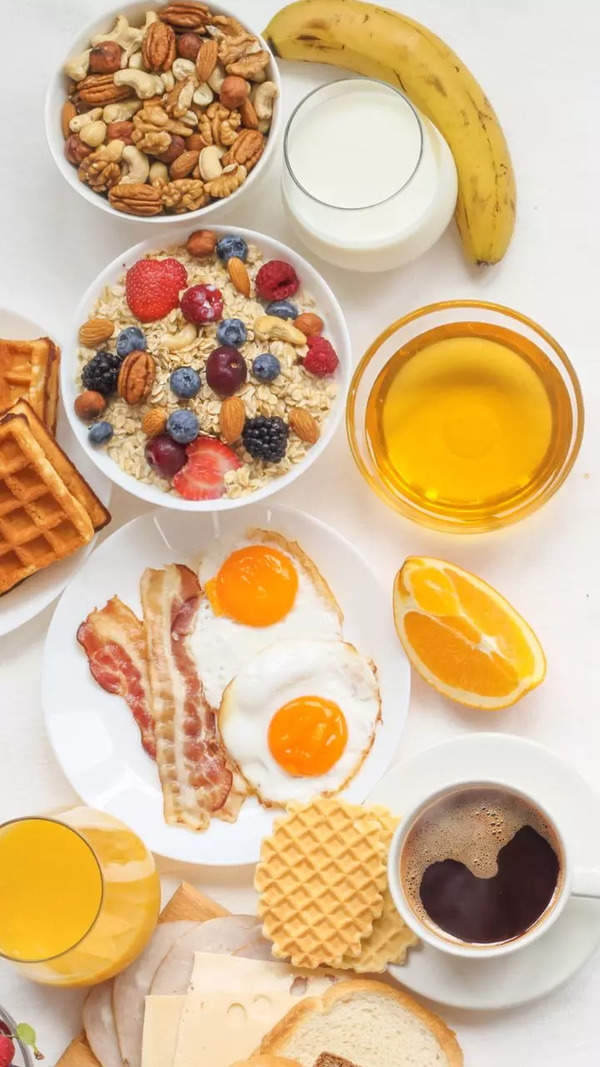
She detoxifies her system first thing in the morning with lemon added to lukewarm water. For breakfast she has a high-protein diet of egg whites, spinach and cheese. Lunch and dinner comprise largely salads and stir-fried vegetables such as mushrooms and broccoli.

Ritu is but a prototype of the new health brigade. From models to marketing professionals, from businessmen to bankers, everybody seems to be taking the health route to happiness. This heightened health awareness has set the cash registers ringing for fitness experts and diet consultants. Powder-packed ultra nutritious health food and supplements is what they recommend for upwardly mobile Indians. It could be anything from a high-energy chocolate bar to a sugar-free milk shake.
Till some years ago it was only models or weightlifters buying these products.
“People are now aware of health food products but the missing link is the fact that they are still not aware of the right usage in order to derive the best results,� says Ranjan Khatri, a fitness instructor. There is a mind-boggling variety of proteins, creatine, fat burners, growth hormones and vitamins of various brands, Indian as well as imported. But there’s a catch. They are beneficial if particularly recommended by a fitness expert. Some of them involve serious side effects like kidney and liver damage, high blood pressure, palpitation, brain haemorrhage and even impotence. In extreme cases these products can also lead to mental imbalance. Some of these products may even contain appetite suppressants and the use of these drugs is banned.
Take the case of Preeti Ahuja, a college-goer and a resident of Malviya Nagar. Peer pressure led her to nutritional supplements but in the absence of a qualified dietician to guide her, she developed serious medical problems.
Body image problems are not confined to girls. Boys are victims of this look-good phenomenon too. Twenty-year-old Arjun used to frequent a gym close to his house in GK-II. In addition to pumping iron, he tried quick fixes like muscle pills and other nutritional supplements. He bought these powders and capsules from the local chemists or sports shops. However, once he was off them, his muscles began to sag. He also suffered from after effects like depression and low self-esteem.
According to Dr. Shikha Sharma, a weight management consultant, who runs the Clinique De Rejuvenation in Vasant Vihar, Panchsheel and Uday Park, there are two types of health foods currently seen in the market. The packaged, imported variety and the other prepared through high heat vacuum drying and roasting process. “Under the second category are foods such as pulses, chana, wheat, rice and moth, which have no preservatives, no side effects and are very economical. But these products have a low shelf life.�
The other variety of health foods, comprising chocolates, shakes, desserts, are appetizing, have flawless packaging and are fat and sugar free. But they are expensive and have chemicals and preservatives, besides artificial sweeteners. These foods can be good for people who are fighting a losing battle against obesity. They can only be substitutes but not complete foods by themselves.
Obviously, it is the hankering for perfectly sculpted bodies and paranoia about flab that is drawing people to health products. They should temper it with the right dose of caution.
End of Article
FOLLOW US ON SOCIAL MEDIA






Photostories

Hot Picks
TOP TRENDING
Popular Categories
Hot on the Web
Top Trends
IND vs BAN Live ScoreNEET UG CounsellingDolly ChaiwalaKamindu MendisDU ElectionIsrael StrikesRavichandran AshwinHigh Paying Freelance JobsElon Musk Dating MeloniUS FDAKerala Lottery ResultsRohit SharmaTamil Nadu NEET UG CounsellingWho is Dominik Mysterios WifeChina SubmarineIsrael Hezbollah WarLive Cricket Score
Trending Topics
Devara ReviewNavya Naveli NandaPawan KalyanJungle SafariStree 2 OTT ReleaseRose GardenDevara CollectionOTT Release MovieMasala OmeletteEmergencyDevaraTaaza Khabar 2 Twitter ReviewDevara Movie ReviewHealthy RaitasSwatantrya Veer SavarkarColdplay India tour 2025Best Branded HandbagsApple Macbook Air M1Amazon SaleWordle Answer
Living and entertainment
Latest News
Archana Puran Singh opens up on turning down multiple film offers for ‘The Kapil Sharma Show’Seasonal Rituals According to the Zodiac CalendarJr NTR's 'Devara' takes over USA; fans garland actor's photoNayanthara and Vignesh Shivan share emotional notes on their twins Ulag and Uyir's second birthdayPressure Cooker: How Hypertension Can Lead to Heart FailureApple’s Vision Pro 2 may come with M5 chip for powering Apple IntelligenceBest Watches Under 5000: Stylish Picks For EveryoneNFL Offenses Grounded, But Fans Still Soaring: Why TV Ratings Are Thriving Despite Fewer Passing YardsCauvery authority orders Karnataka, TN to abide by SC order'Attempt to defame my govt': Kerala CM Vijayan rejects allegations of independent MLA P V AnvarSS Rajamouli's son SS Karthikeya becomes speechless after watching Jr NTR's 'Devara: Part 1'Ilaiyaraaja thanks Tamil Nadu CM MK Stalin for naming a street after his late friend SPBCameron Green in doubt for India Tests following back injuryWho is Rey Mysterio's wife? Exploring the personal life of the master of the 619Medical Breakthrough: 1st lung cancer vaccine BNT116 clinical trials launched, vaccine based on Covid mRNAWhen Lionel Messi was booed: A rare fan backlash against the football legendBangladeshi fan hospitalised after 'falling ill' in Green Park stands; Police denies assault speculationTirupati Laddu row: Police likely to serve notices to ex-CM Jagan Mohan Reddy ahead of his Tirumala temple visit
Copyright © 2024 Bennett, Coleman & Co. Ltd. All rights reserved. For reprint rights: Times Syndication Service